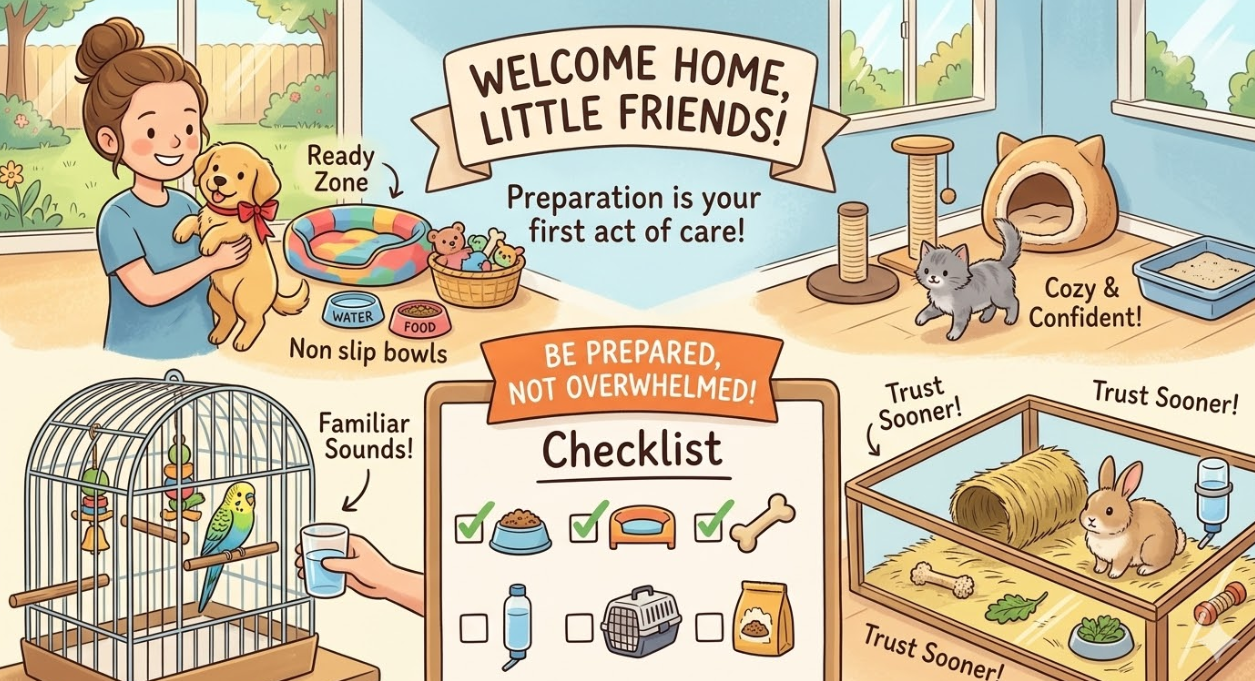
Bringing a pet into your home is one of life’s greatest joys. However, without proper training, that joy can quickly turn into frustration. This training guide everything you need will show you how to build a strong bond with your pet while teaching them good behavior.
Most importantly, pet training is not about dominance or punishment. It is about communication, patience, and positive reinforcement. Whether you have a playful puppy, a curious kitten, or an adult rescue pet, the principles in this guide will help you succeed.
Why This Training Guide Everything You Need Matters
Every year, millions of pets end up in shelters because of behavioral issues. In fact, most of these problems could have been prevented with proper training. Furthermore, trained pets are happier pets. They understand boundaries, feel more secure, and enjoy better relationships with their families.
A well-trained pet is also safer. They respond to commands like “come” and “stay,” which can prevent dangerous situations. For example, a dog that comes when called is less likely to run into traffic. Because of this, investing time in training is truly an investment in your pet’s wellbeing.
Training Guide Everything You Need: Core Principles
Before diving into specific techniques, understand these foundational principles:
Consistency Is Key
Pets thrive on routine. Therefore, everyone in your household should use the same commands and rules. If you allow your dog on the couch but your partner does not, your pet will become confused. Above all, consistency builds trust and speeds up learning.
Positive Reinforcement Works Best
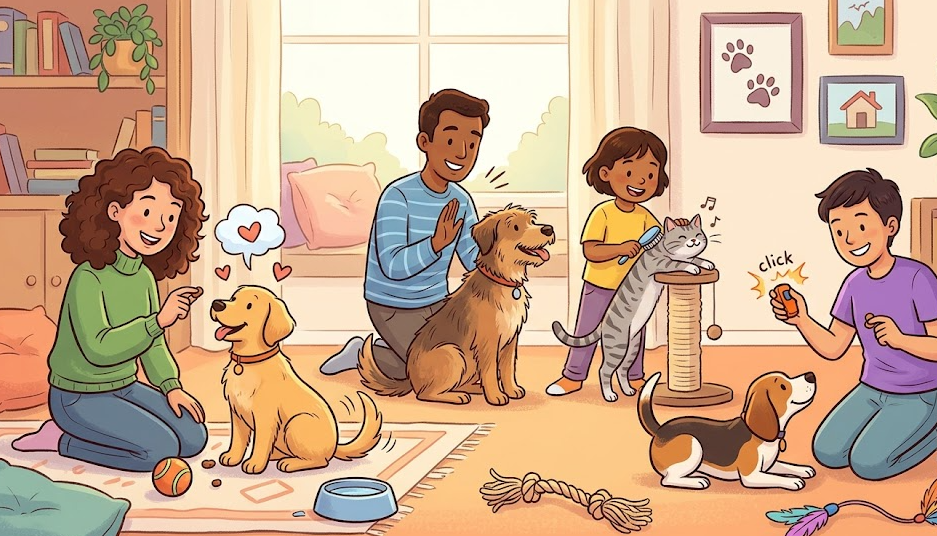
Modern training relies on rewards rather than punishment. When your pet does something right, reward them immediately. Treats, praise, and playtime are powerful motivators. Consequently, your pet will want to repeat those good behaviors.
Timing Matters Most
Pets live in the moment. Because of this, you must reward or correct behavior within seconds. If you discover a chewed shoe an hour after it happened, your pet will not connect your reaction to their action. Therefore, supervision and immediate feedback are essential.
How to Start Training Guide Everything You Need for Dogs
Dogs are eager to please, which makes them wonderful training partners. However, they need clear direction and patient guidance.
Basic Commands Every Dog Should Know
Start with these five essential commands:
Sit – Hold a treat near your dog’s nose, then move your hand up. Their bottom will naturally lower. Say “sit” and give the treat immediately.
Stay – Ask your dog to sit, then open your palm and say “stay.” Take a few steps back. If they stay, reward them. Gradually increase the distance.
Come – This command can save your dog’s life. Use a happy tone, crouch down, and say “come” while gently pulling their leash. Reward generously when they respond.
Down – Hold a treat in your closed hand near their nose. Move it to the floor, then along the ground. Their body will follow. Say “down” and reward.
Leave it – Place a treat in both hands. Show them one closed fist and say “leave it.” Wait for them to stop sniffing and look at you. Then give the treat from the other hand.
House Training Essentials
House training requires patience and a consistent schedule. Take puppies outside first thing in the morning, after meals, after naps, and before bedtime. Furthermore, choose a specific spot outside and use the same phrase like “go potty.” Praise and treat immediately after they go.
If accidents happen, clean thoroughly with an enzymatic cleaner. Never punish your dog for accidents, as this creates fear and confusion. Instead, supervise more closely and adjust your schedule.
Training Guide Everything You Need for Cats
Cats are often seen as untrainable, but this is a myth. In fact, cats are highly intelligent and can learn many behaviors.
Litter Box Training
Most kittens naturally use the litter box. However, you can ensure success by placing the box in a quiet, accessible location. Also, keep it clean cats are fastidious creatures. If your cat stops using the box, consult a veterinarian, as this often signals a health issue.
Teaching Cats Useful Behaviors
Cats respond well to clicker training. For example, you can teach them to come when called, sit on command, or even use a scratching post instead of your furniture. Use small, smelly treats and click the moment they perform the desired behavior.
Scratching posts should be tall enough for your cat to stretch fully. Place them near furniture they currently scratch. Furthermore, use catnip or treats to make the post more appealing than your sofa.
Advanced Training Guide Everything You Need Techniques
Once your pet masters basics, you can explore advanced training.
Leash Training for Dogs
A dog that pulls on the leash makes walks unpleasant. To teach loose-leash walking, stop moving whenever your dog pulls. Only continue when the leash relaxes. Alternatively, use the “turn around” method when they pull, turn and walk the opposite direction.
Crate Training Benefits
A crate is not a prison; it is your pet’s safe space. Introduce the crate gradually with treats and meals inside. Never use it for punishment. Consequently, your pet will view it as their cozy den.
Socialization Skills
Expose pets to new people, animals, and environments during their critical socialization period. For puppies, this window is 3 to 14 weeks. For kittens, it is 2 to 7 weeks. However, older pets can also learn to be comfortable with patient, positive exposure.
Troubleshooting Common Problems
Even with the best training guide everything you need, challenges arise. Here is how to handle common issues:
Excessive Barking
Dogs bark for many reasons: boredom, fear, or alerting. First, identify the trigger. Then, teach an alternative behavior. For instance, if your dog barks at the doorbell, train them to go to their bed instead.
Jumping on People
Turn away and ignore jumping dogs. Only give attention when all four paws are on the ground. Furthermore, teach an incompatible behavior like “sit” when greeting visitors.
Destructive Chewing
Provide appropriate chew toys and rotate them to maintain interest. Also, exercise your pet adequately boredom often causes destructive behavior. If you catch them chewing something inappropriate, redirect to a proper toy.
Frequently Asked Questions
Basic commands usually take a few weeks with daily practice. However, training is ongoing throughout your pet’s life. Most importantly, short, frequent sessions of 5–10 minutes work better than long, infrequent ones.
Absolutely not. While puppies and kittens learn quickly, adult pets can learn too. In fact, they often have better focus than young animals. Therefore, do not hesitate to start training at any age.
Initially, reward every success. Then, gradually transition to intermittent rewards. Eventually, verbal praise and occasional treats maintain learned behaviors. Because of this, your pet stays motivated without becoming treat-dependent.
Find what they love. Some pets prefer toys, praise, or petting. Furthermore, train before meals when they are hungry. Also, use high-value rewards like small pieces of chicken or cheese for challenging tasks.
Many pet owners successfully train their animals using resources like this training guide everything you need. However, consult a professional trainer for severe behavioral issues like aggression. Additionally, group classes provide socialization and expert guidance.
Final Thoughts on This Training Guide Everything You Need
Training your pet is one of the most rewarding investments you will make. It strengthens your bond, keeps your pet safe, and creates harmony in your home. Remember to be patient, consistent, and positive throughout the process.
Start with small goals and celebrate progress. Furthermore, remember that every pet learns at their own pace. With time and dedication, you will have a well-behaved companion who brings joy to your life every day.
Ready to begin? Grab some treats, set aside 10 minutes, and start with one simple command. Your pet is waiting to learn.