
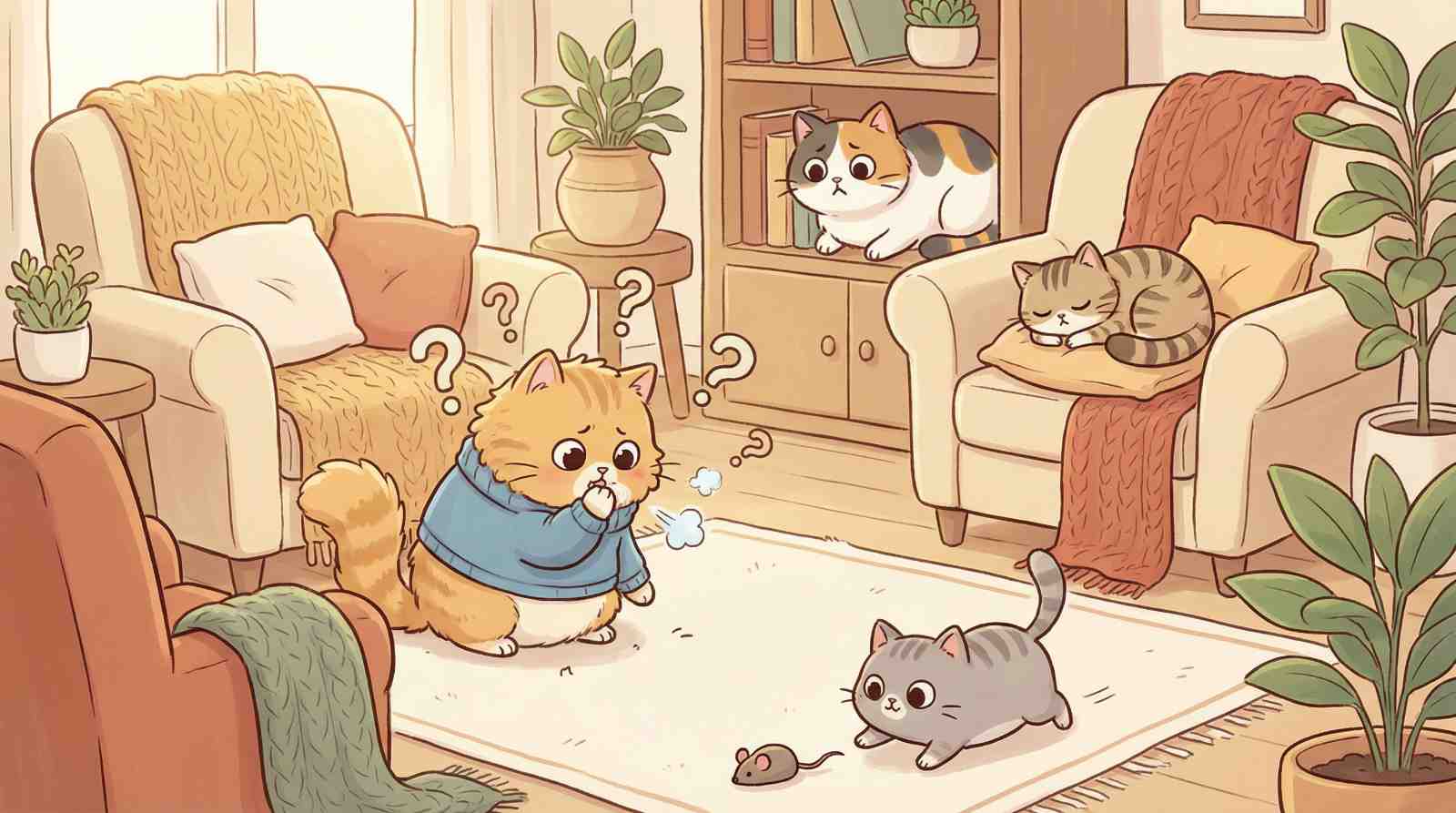
Understanding Your Cat’s Cough
A persistent cat coughing or gagging can be concerning for any pet owner. While occasional gagging might be related to grooming and hairballs, frequent or severe coughing warrants attention. It’s your cat’s way of signaling that something isn’t quite right within their respiratory system. If you’re wondering, “why is my cat coughing?”, this guide will help you understand the common culprits.
Common Causes of Cat Coughing
Several factors can lead to cat coughing. Hairballs are a frequent culprit, as cats ingest fur during self-grooming which can irritate their throat. Sometimes, a cat might be coughing like a hairball but not actually expelling one, which can be a sign of other issues. Respiratory infections, such as those caused by viruses or bacteria, can also cause coughing, often accompanied by sneezing or nasal discharge. Another significant cause of cat wheezing and coughing is feline asthma, a chronic inflammatory condition that narrows the airways, leading to wheezing and cat coughing fits.
When to Seek Veterinary Advice
Pay close attention to accompanying symptoms that might indicate a more serious issue. If your cat is experiencing difficulty breathing, rapid breathing, lethargy, loss of appetite, or if the cat coughing is accompanied by vomiting or changes in behavior, it’s crucial to consult your veterinarian. These signs suggest that immediate professional assessment is needed to diagnose and treat the underlying problem effectively. If your cat is coughing up phlegm, this also warrants a vet visit.
What to Do If Your Cat is Coughing
If you notice your cat coughing, the first step is to observe their behavior and any other symptoms. If it’s a single, isolated incident, it might be nothing to worry about. However, if the coughing persists, becomes more frequent, or is accompanied by any of the warning signs mentioned, it’s time to contact your vet. They can perform a thorough examination to determine the cat coughing causes and recommend the appropriate treatment.
Cat coughing can be caused by hairballs, respiratory infections, or feline asthma. If your cat is coughing occasionally after grooming, it’s likely hairball-related. However, persistent cat coughing fits or coughing accompanied by wheezing may indicate a more serious condition that requires veterinary attention.
When a cat is coughing like a hairball but not actually expelling one, it could be a sign of feline asthma, a respiratory infection, or airway irritation. This type of cat hacking cough mimics the motion of bringing up a hairball but without any result, and should be evaluated by a vet if it continues.
The most common cat coughing causes include hairballs from self-grooming, upper respiratory infections caused by viruses or bacteria, and feline asthma — a chronic condition that leads to cat wheezing and coughing. Environmental irritants like dust, smoke, or strong fragrances can also trigger coughing episodes.
If your cat is coughing up phlegm, it typically signals a respiratory infection or inflammation in the airways. Contact your veterinarian, especially if the coughing is accompanied by sneezing, nasal discharge, lethargy, or loss of appetite. Early diagnosis helps prevent the condition from worsening.
Occasional coughing is usually harmless, but you should seek veterinary advice if your cat’s coughing persists for more than a day or two, becomes more frequent, or is accompanied by difficulty breathing, rapid breathing, vomiting, or behavioral changes. Recurring cat coughing fits are a sign that professional assessment is needed.